


Sustainable digitalization to transform the future
01 Dec 2025

Today, no one doubts that the energy and digital transitions are linked. They are connected by an invisible umbilical cord, enabling us to face the revolution we are experiencing sustainably, using renewable energy and protecting natural resources.
The company stays abreast of trends and is committed to a deep understanding of innovation, one of its defining characteristics. Driving digitalization is key in today’s world, and Iberdrola invested €290 million last year to strengthen it across all its activities.
With this foundation, the future looks promising. What Iberdrola is clear about is that it will not rest on its laurels and will continue to invest in innovation, cutting-edge technology, and digital advancements to be a leader in this new digital era.
“Just as we were pioneers decades ago in investing in renewable energy, we have also been pioneers in the digitalization of electricity grids, and now we are pioneers in the use of artificial intelligence and big data. And now that we are immersed in an unstoppable process of electrification worldwide, we must invest even more in digital infrastructure and support innovation and the adoption of these new technologies to cover an increasing number of energy uses for millions of consumers, always with the highest cybersecurity standards,” highlighted Ignacio Galán, president of the company.
Electricity grids, the backbone of the energy transition. Investment in and development of electricity grids are a tool for attracting industry and generating employment. Iberdrola recently announced, during the presentation of its strategic plan, that it will invest €58 billion by 2028 (+30%) to further expand its grid infrastructure in the United States and the United Kingdom.
Iberdrola, recognized as the world’s leading private utility in R&D&I investment, will allocate €1.6 billion to this area within its new strategic plan. This investment aims to boost electrification and accelerate the energy transition, reinforcing its commitment to innovation and technological development.
More digitalization for green growth. Accelerating the decarbonization and digitalization process, in line with the European Union’s roadmap, is the only possible path to a green and resilient economic recovery.
The advantages of digitalization are evident in extreme weather events such as Storm Filomena—with 70% of incidents resolved in less than 30 minutes—and the DANA storm—despite enormous difficulties, Iberdrola was able to restore virtually the entire electricity supply in less than 72 hours—or in crises such as the COVID-19 lockdown. Investments made in deploying infrastructure such as smart grids in recent years have allowed for optimal operations, guaranteed supply, strengthened critical services, ensured the continuity of numerous projects, and ultimately, demonstrated normality in an extraordinary context.
These digital transformation processes of companies, processes, and assets can only be successful when accompanied by the necessary cultural changes and the deployment of new ways of working and new tools. As well as with the incorporation of new professional profiles or the retraining of existing ones.
At Iberdrola, digital transformation is strategic for the business. It has been developing for decades, in many cases pioneering the process, but it remains a top priority. To consolidate this transformation, the company maximizes the use of technology by improving processes, boosting asset productivity, and achieving greater efficiency across all activities.
The company has been digitally managing its electricity generation assets for years and has transformed its networks into smart networks using digital tools and artificial intelligence.
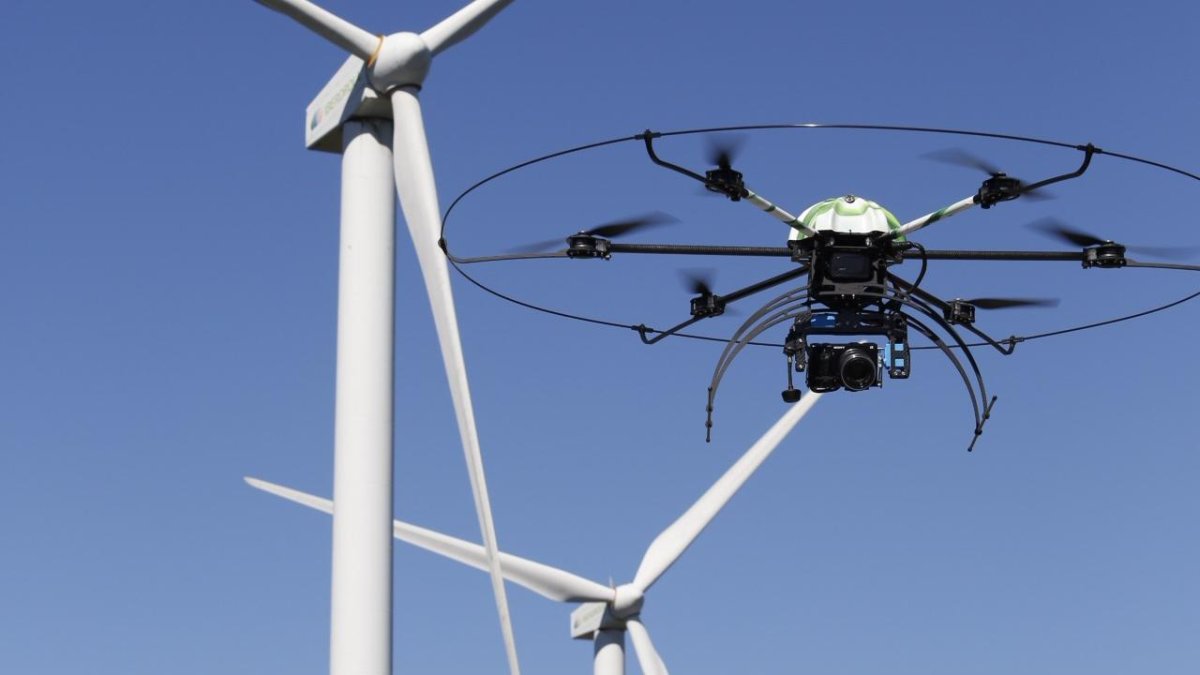
In fact, it applies the latest technologies in all its activities: Blockchain for energy trading operations and certificates of origin for green energy; robots and drones to support high-risk operations or in hard-to-reach locations for inspecting wind turbine blades; virtual and augmented reality for training activities and on-site work on power lines and infrastructure; the Internet of Things, applied to initiatives such as Iberdrola’s Smart Home; and digital twins, which create virtual recreations of products and services, allowing the company to anticipate and proactively resolve future issues. Big data and analytics, with which it develops, for example, advanced wind prediction systems or detects electricity fraud, and artificial intelligence and machine learning with which it applies algorithms to different processes, such as the identification of anomalies in photovoltaic plants or the personalization of offers tailored to different customer profiles.
This is how a wind farm works
Green energy in villages
Iberdrola has renewed its agreement with the Burgos Provincial Council to supply 100% renewable energy to 324 municipalities in the province. The contract, which offers savings of 18%, will cover 3,462 consumption points and strengthen local energy efficiency. It includes digital management services and technical advice.
The model, managed through the provincial procurement center, simplifies procedures and strengthens the energy transition, with a growing number of municipalities joining since its launch in 2023.
Source: El Correo de Burgos
